What Rox AI Is and Why It Matters
Rox AI is gaining attention as a new wave of intelligent automation designed to help businesses handle complex digital tasks with more speed, accuracy, and clarity. At its core, Rox AI blends machine learning, natural language processing, and predictive analytics to interpret information, make decisions, and support human teams in daily operations. While many tools promise to automate work, Rox AI aims to close the gap between simple task automation and real operational intelligence. It focuses on reducing repetitive effort while giving users deeper insight into how rox ai their systems behave. This makes it valuable for companies that want better visibility and more reliable performance across customer service, content management, data processing, and workflow tracking.
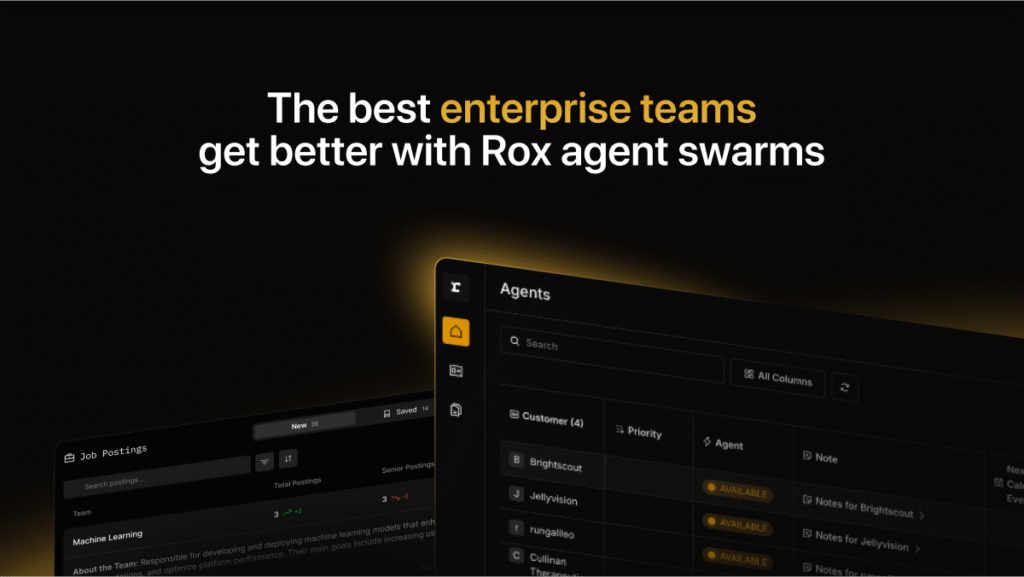
How Rox AI Works Behind the Scenes
Rox AI operates through models trained on large sets of structured and unstructured data. These models learn to classify information, detect patterns, and recommend the best actions for a given scenario. When integrated into a workflow, the system reads incoming data, interprets intent, and selects a response or next step without needing constant human direction. This can include sorting customer queries, summarizing reports, tagging content, or detecting errors in real time. Its architecture often includes an interface where teams can guide the system, correct outputs, and establish rules that fine tune how the AI behaves. Over time, Rox AI adapts to the organization’s preferred style and standards, which helps maintain accuracy while keeping processes consistent. The goal is not to replace human workers but to remove the routine weight from their workload so they can focus on strategy and creative problem solving.
Key Benefits Driving Adoption
One of the most appealing advantages of Rox AI is efficiency. Organizations can process tasks that once took hours in a matter of seconds, which boosts productivity without adding new staff or infrastructure. Another benefit is its reliability. AI models do not lose focus, get tired, or forget instructions, so they keep output stable even as demand rises. Rox AI can also improve decision making since it evaluates data through statistical patterns rather than emotion or assumption. This allows teams to act with more confidence and address issues before they grow. Many companies also value the scalability. As an organization expands, Rox AI can handle higher volumes without major performance problems. This keeps operations smooth during growth phases, product launches, or seasonal spikes.
Real World Uses Across Different Industries
Rox AI is appearing in industries that depend on data accuracy and customer interaction. In customer service, it can sort messages, draft responses, and highlight urgent issues so support teams move faster. In marketing, it analyzes engagement trends and helps teams create targeted content. In finance, it reviews documents, extracts key details, and flags suspicious activity that may need human review. In healthcare, it assists with administrative tasks like appointment reminders, patient data entry, and insurance verification. Each use case revolves around the same idea. Rox AI handles the structure while professionals handle the judgment.
The Future Outlook for Rox AI
As more organizations adopt intelligent automation, systems like Rox AI are expected to become fixtures in everyday operations. Future developments may focus on stronger accuracy, better multimodal abilities that interpret text, images, and audio, and smoother integration with existing tools. The long term vision is to create workflows that feel more natural and less technical, where AI collaborates with people instead of sitting in a separate layer of software. Rox AI stands out because it already leans in that direction. It is built to serve teams, not overshadow them, and to help businesses work smarter with less friction.